Executive Summary · At a Glance
- ✓Optimal bath temperature is between 98°F and 102°F (37°C–39°C); excessively hot water strains the heart and dehydrates the skin.
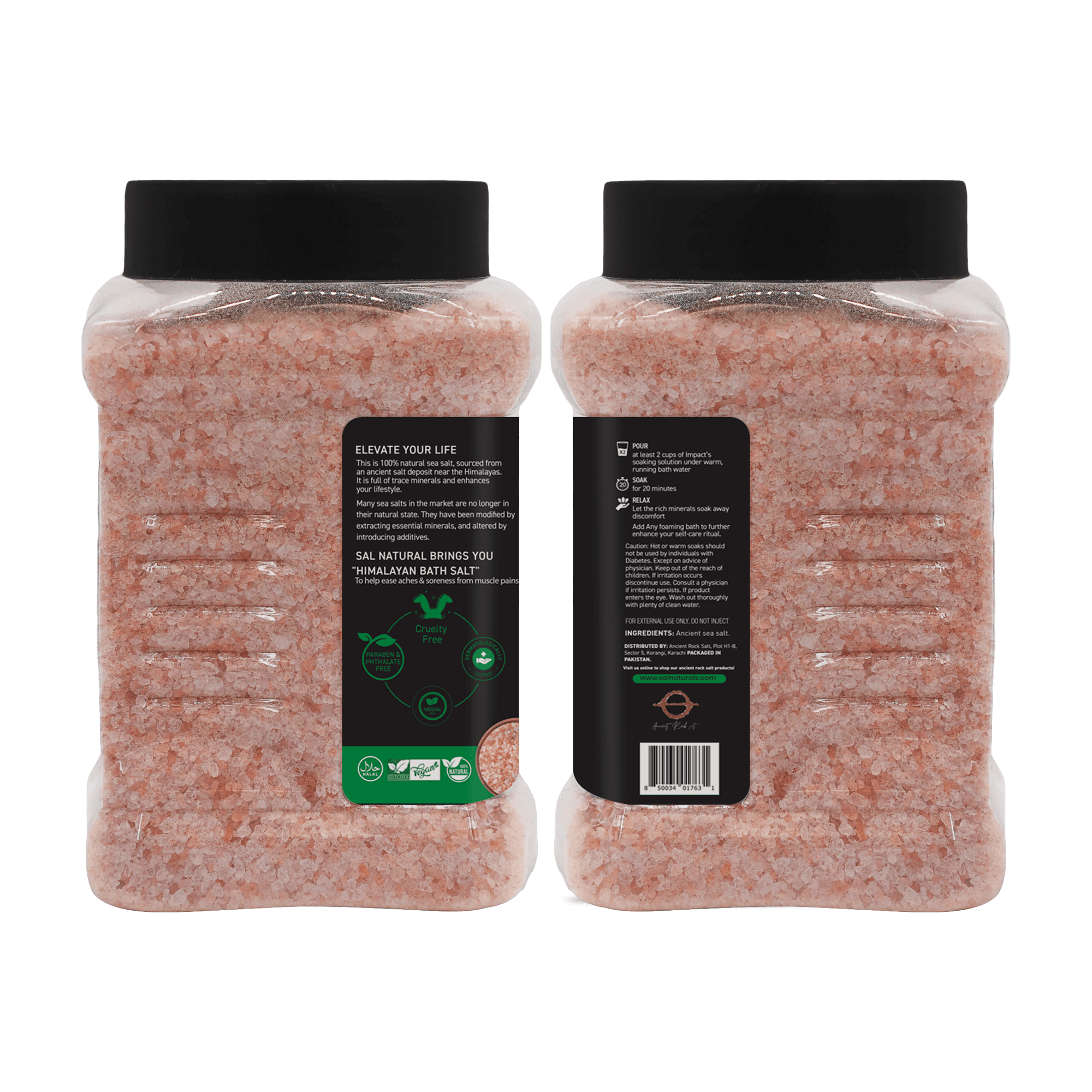
- ✓Dissolve 1 to 2 cups of coarse pink bath salt directly beneath rushing water to ensure uniform mineral dispersion and aromatic steam release.
- ✓Aromatherapy works via the olfactory system: select Rose for gentle restoration, Lavender for sleep, Eucalyptus for recovery, or Jasmine for sensory warmth.
- ✓Limit soaking to twenty minutes and always drink a tall glass of cool water during or immediately after bathing.
Balneotherapy: What Happens to Your Body in Mineral Water#
In a culture dominated by relentless kinetic output, blue-light screens, and chronic cognitive fatigue, drawing a bath is one of the most accessible rituals of somatic stillness available to us. It requires no screens, no subscription, and no elaborate ceremony—only warm water, honest rock salt, and a door you can close.
Yet running a bath that genuinely restores the body involves far more than simply filling a tub. The synergistic interaction between hydrostatic pressure, thermal vasodilation, and mineral saturation creates a deeply therapeutic physiological state known since antiquity as balneotherapy.
A restorative bath is not an indulgence—it is an intentional boundary drawn between the demands of the day and the restoration of the night.
Osmotic Equilibrium: How Rock Salt Conditions the Skin#
Standard tap water draws moisture out of the epidermis through simple osmosis, often leaving skin pruned, tight, and dehydrated after prolonged soaking. By contrast, dissolving unrefined Himalayan pink salt into your tub creates a mineral-dense solution that equilibrates osmotic pressure.
Rich in naturally occurring calcium, magnesium, and potassium, pink salt water conditions the skin mantle, helping preserve natural sebum while softening rough textures across elbows, knees, and heels without chemical surfactants.
The 4-Step Protocol: Temperature, Volume & Timing#
Follow this proven framework to execute a flawless, restorative evening soak:
- •Step 1: Calibrate Temperature (98°F to 102°F / 37°C to 39°C) — Water should feel like a warm, comforting envelope. Water above 104°F triggers excessive sweating and tachycardia, leaving you depleted rather than relaxed.
- •Step 2: Add 1 to 2 Full Cups of Salt — Measure generously. Pour coarse crystals directly under the rushing tap so water velocity disperses the minerals throughout the tub.
- •Step 3: Dim the Environment — Turn off harsh overhead bathroom lighting. Use a warm ambient lamp or candle to signal your parasympathetic nervous system that the day is concluding.
- •Step 4: Honor the 20-Minute Window — Remain submerged for 15 to 20 minutes. This provides ample time for muscular easing without causing circulatory lethargy.
💡 Professional Insight
HYDRATION RULE: Keep a tall glass of room-temperature or cool water beside your tub. Sipping water during a warm soak maintains internal blood volume and prevents post-bath lightheadedness.
The Scent Guide: Matching Aromatherapy to Evening Intent#
Aromatherapy operates via direct olfactory pathways into the limbic system, steering mood, breath rate, and emotional balance. Pair your soak with the botanical essence that reflects your immediate need:
| Botanical Scent | Aromatherapeutic Profile | Recommended Evening Ritual |
|---|---|---|
| Rose Botanical | Delicate, floral, heart-opening, grounding | Weekend self-care, skin pampering, emotional unwinding |
| French Lavender | Herbaceous, soothing, sedative, calming | Nighttime pre-sleep soak, stressful workdays, quiet meditation |
| Cool Eucalyptus | Vibrant, camphoraceous, clearing, stimulating | Post-workout athletic recovery, respiratory clarity, morning soak |
| Exotic Jasmine | Sweet, warm, luxurious, mood-elevating | Sensory rejuvenation, quiet evening reading, weekend restoration |
The Deceleration Window: Hydration & Evening Transition#
When your twenty minutes conclude, drain the water while remaining seated for a moment to allow your vestibular system to adjust. Pat your skin dry with a plush towel—avoid vigorous rubbing. While skin is still slightly warm and receptive, apply a clean body oil or moisturizer to seal in the mineral hydration.
Step directly into breathable linen or cotton loungewear, avoid looking at digital screens for at least one hour, and let the quiet thermal residue ease you into deep, restorative sleep.
4 Common Bathing Mistakes to Avoid#
- •Mistake 1: Scalding Water — Leads to lightheadedness and strips protective skin lipids.
- •Mistake 2: Skimping on Salt — A single tablespoon is insufficient to alter water chemistry. Use 1–2 full cups.
- •Mistake 3: Soaking Too Long — Beyond 30 minutes, water cools down and skin can become dry and chilled.
- •Mistake 4: Skipping Drinking Water — Bathing induces subtle perspiration; always hydrate internally while soaking.

About the Author
Elena Rostova
Elena is a seasoned spa consultant and thermal wellness specialist with a decade of clinical experience in mineral hydrotherapy and botanical body rituals.